AI's Transformative Role in Education by 2025
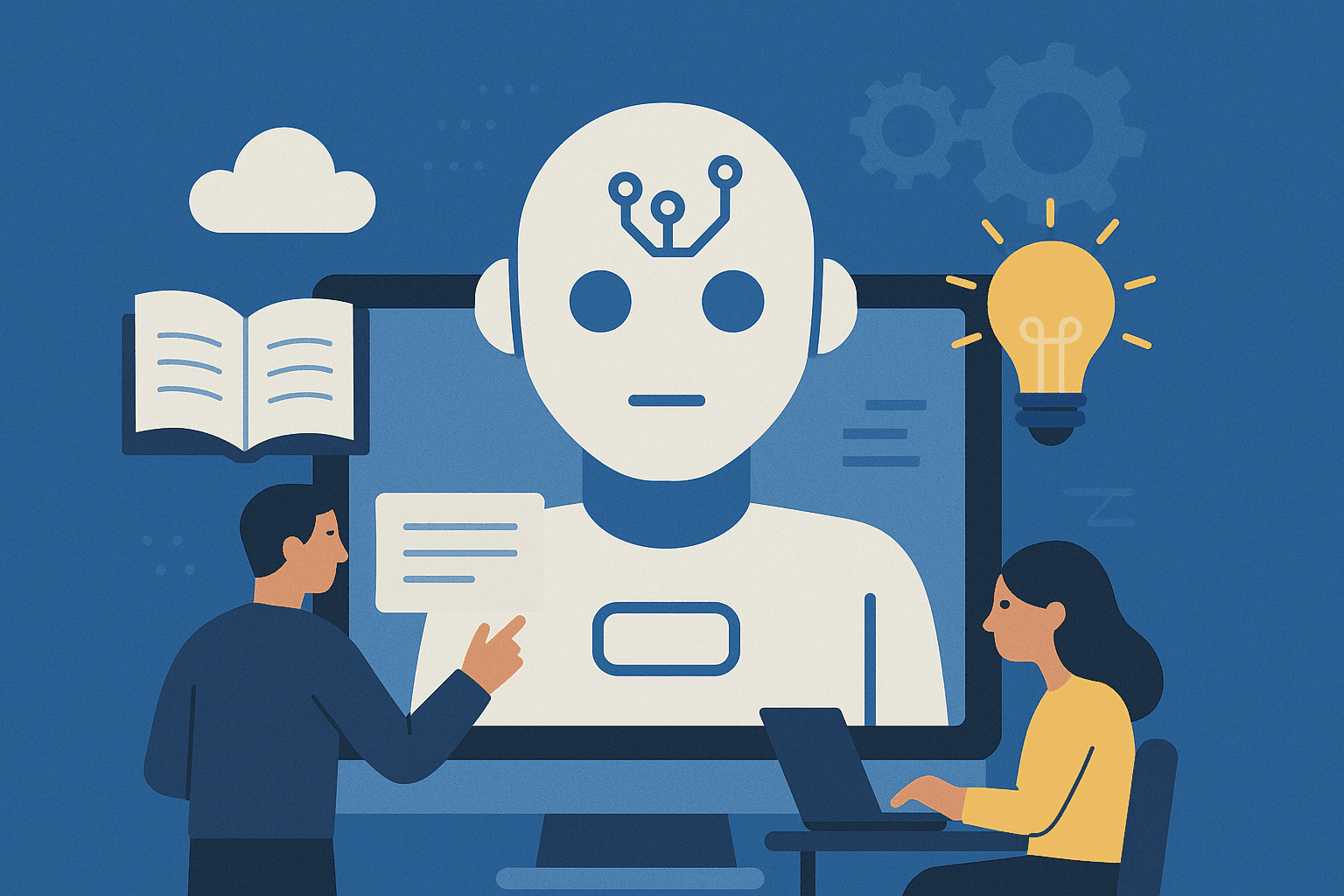
Artificial intelligence is no longer a futuristic concept in education; it is the transformative wave of our present. By 2025, AI has become a pivotal force reshaping how educational institutions operate, teach, and engage with students. The recent strategic focus on AI by government bodies and major EdTech platforms signals a new era for education. As this technology becomes more ingrained in educational settings, universities find themselves at a crossroads. They must decide not only how to integrate AI effectively but also how to address the challenges that come with it.
Government Initiatives and Industry Momentum
In July 2025, the U.S. Department of Education issued comprehensive guidelines on AI adoption, specifically focusing on the use of federal grants to support this integration. This is pivotal for institutions looking to leverage AI for personalised learning and streamlining administrative tasks. Google's unveiling of Gemini for Education further underscores the momentum behind AI. This suite of tools aims to revolutionise classroom dynamics by automating lesson planning and personalising learning experiences. The implications of these developments are profound, offering a glimpse into a future where AI is a cornerstone of educational practice.
Opportunities and Challenges for Universities
For universities, the integration of AI offers significant opportunities and challenges. On one hand, AI can democratise access to educational resources, providing personalised learning paths for students who might otherwise be left behind. For instance, AI-driven tools can adapt to the learning pace of each student, offering tailored support and resources. This is particularly beneficial for underrepresented groups, who often face barriers to accessing quality education. By levelling the playing field, AI has the potential to enhance educational equity.
However, the integration of AI also raises critical questions about academic integrity. With AI tools being used by approximately one-third of students and teachers for tasks like essay writing and recommendations, universities must navigate the fine line between leveraging technology and maintaining academic standards. It is essential for institutions to develop robust policies that address the ethical use of AI. This includes setting clear guidelines on what constitutes acceptable use and ensuring that students understand the importance of originality and critical thinking.
The Evolving EdTech Funding Landscape
Moreover, as AI becomes more prevalent, the funding landscape for EdTech is also evolving. In 2025, approximately $410 million was invested in AI-driven educational solutions, highlighting the growing demand for scalable and innovative tools. For universities, this presents an opportunity to explore partnerships with EdTech companies and secure funding for AI initiatives. By collaborating with industry leaders, institutions can gain access to cutting-edge technology and expertise, enabling them to stay ahead in the rapidly changing educational landscape.
Strategic Approaches to AI Integration
Looking ahead, university leaders and academic policymakers must take proactive steps to harness the full potential of AI. This begins with a strategic approach to AI integration, aligning technology with institutional goals and educational outcomes. It is crucial to invest in professional development for educators, equipping them with the skills and knowledge needed to effectively utilise AI tools in the classroom. Additionally, institutions should prioritise ongoing research into the impact of AI on learning and teaching, ensuring that decisions are informed by evidence and best practices.
Conclusion: Embracing AI with Caution
In conclusion, the transformative wave of AI in education presents both exciting opportunities and significant challenges. For universities, the key lies in embracing this technology while remaining vigilant about its implications. By taking a thoughtful and strategic approach, institutions can harness the power of AI to enhance learning, promote equity, and prepare students for the future. As we navigate this new era, the role of university leaders and policymakers is more critical than ever. They must lead the charge in shaping an educational landscape where AI is not just a tool, but a catalyst for innovation and change.